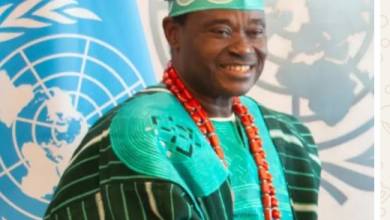
Chuba Okadigbo: The Unforgotten Hero of Nigerian Politics
Chuba Okadigbo, a prominent figure in Nigerian politics, faced significant turmoil during his time in the Senate. On June 2, 2000, his official residence was stormed by police in a failed attempt to seize the Senate mace. Later that year, he was falsely accused of corruption, leading to his impeachment as Senate President and relegating him to the status of an ordinary senator. Okadigbo died in 2003, a day after returning from a campaign in Kano, with his death attributed to respiratory issues exacerbated by police tear gas used during the rally.
Political analyst Arinze Igboeli remarked that, apart from notable figures like Nnamdi Azikiwe and Obafemi Awolowo, few possessed Okadigbo’s intellectual capabilities. His commitment to knowledge laid a solid academic foundation that influenced his political approach. After returning to Nigeria from his studies abroad, Okadigbo quickly transitioned from academia to active politics, initially aligning with the Nigeria Peoples Party (NPP) before joining the National Party of Nigeria (NPN) and running for the governorship of Old Anambra, though he lost to C.C. Onoh.
Igboeli highlighted Okadigbo’s eloquence and sharp wit, noting that he often challenged elements within the Obasanjo presidency. His articulate arguments made him a formidable presence, and President Obasanjo viewed him as an obstacle to his political ambitions.
Senator Margery Okadigbo, his wife, provided personal insights into his legacy twenty years after his passing. She recounted the moment he died in her arms while being transported to the National Hospital in Abuja. Amidst the turmoil of a health workers’ strike, she described how the mortuary attendant was incredulous upon realizing the identity of the deceased, reflecting the larger-than-life impression Okadigbo left on those around him.
Margery emphasized her husband’s belief that a strong educational foundation is the greatest legacy one can offer a child. She made it her mission to ensure their children received the best education possible, embodying Okadigbo’s values.
Journalist Celestine Okafor noted that throughout his 43-year career, Okadigbo’s character traits often intimidated others, leading some to perceive him as arrogant. Okadigbo himself acknowledged this perception, arguing that it stemmed from his refusal to conform to sycophancy and mediocrity. He believed that when people could not understand him, they resorted to labeling him as arrogant, despite his logical arguments and commitment to truth.
Chuba Okadigbo remains an indelible figure in Nigerian political history, remembered for his intellect, integrity, and the legacy he sought to impart through education.